
Legacy: The Unspoken but Critical Part of Effective Social Value Delivery
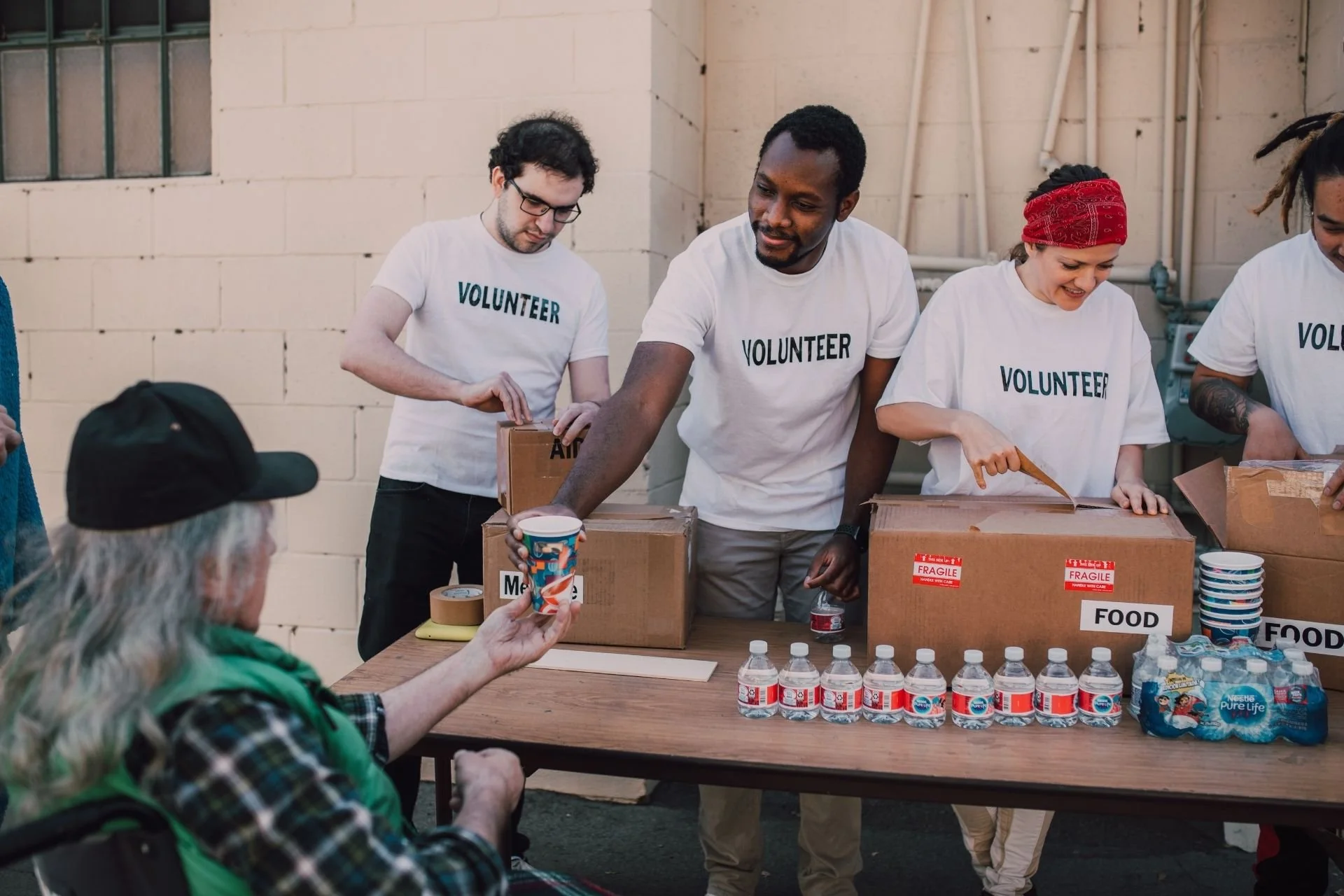
Across the social value strategy and delivery space, there is an important emphasis on fulfilling contractual obligations, meeting procurement tender promises, as well as delivering on social value and community engagement initiatives.
Where social value tends to perform well is having inputs measured in the moment:
Jobs created
Volunteering hours logged
Local spend tracked against specific targets
Indeed, while all of this remains important, the issue with some of the social value delivery and strategy is that it is predominantly in the short-term.
At Enable Green, we have been asking a different question: what happens after the project ends? And this is where the idea of legacy comes in.
What legacy actually means
At Enable Green, legacy is not simply an add-on to social value delivery. Instead, ‘legacy-led’ social value asks organisations to think beyond the lifespan of a contract, a regeneration project, or a funding cycle, and toward the people who will still be living, working, and building futures in that place long after its successful completion.
In practice, ‘legacy-led’ social means three things:
It means the long-term over the short-term. A skills programme that ends when the contract concludes is not legacy – it's a deliverable. Legacy is what remains embedded in a community's capability after your organisation has moved on to the next site.
It means lasting impact, not just measured impact. While many of the social value activities and initiatives are measurable, some remain unmemorable. Legacy asks a harder question such as: will this still matter in five years or even ten years?
It means designing for the people who come long after the project ends. Successful legacy thinking rarely start during the final months of delivery. It should be built into the strategy from the start, with the next generation of residents, workers, and community members in mind from the outset and considering future needs and the impact the project and initiative will have.
Why legacy is a key factor in social value strategy
We increasingly see legacy as one of the clearest signals as to whether a social value strategy is embedded and effective.
Organisations that treat social value as a compliance function tend to optimise for what is easiest to report at a contract’s conclusion. However, businesses that treat it as a genuine value-creation strategy plan for what outlasts the contract altogether: local supply chains that keep operating, skills that compound, relationships that keep delivering value long after the final report and key deliverables are achieved.
This distinction is increasingly visible to funders, procurers, and communities. As frameworks mature and scrutiny increases, questions such as "what did you leave behind" are becoming just as important as question like "what did you deliver."
Building legacy in from the start
At Enable Green, real legacy is rarely something that can be retrofitted. More specifically, true legacy-led social value should shape the strategy from the outset – who you are designing for, what capability you are transferring, and what success looks like once your organisation is no longer in the room.
As social value professionals, that is the shift we are encouraging across the projects we work on. We are wanting to have more intentional conversations about legacy, asking questions like “what will still be standing, and still working, once we're gone" and “what does legacy look like to us and to the community?”.
The question is not whether we delivered social value – it is whether the impact can still weeks, months and years later.
