Social Value in the Built Environment: Why it’s important
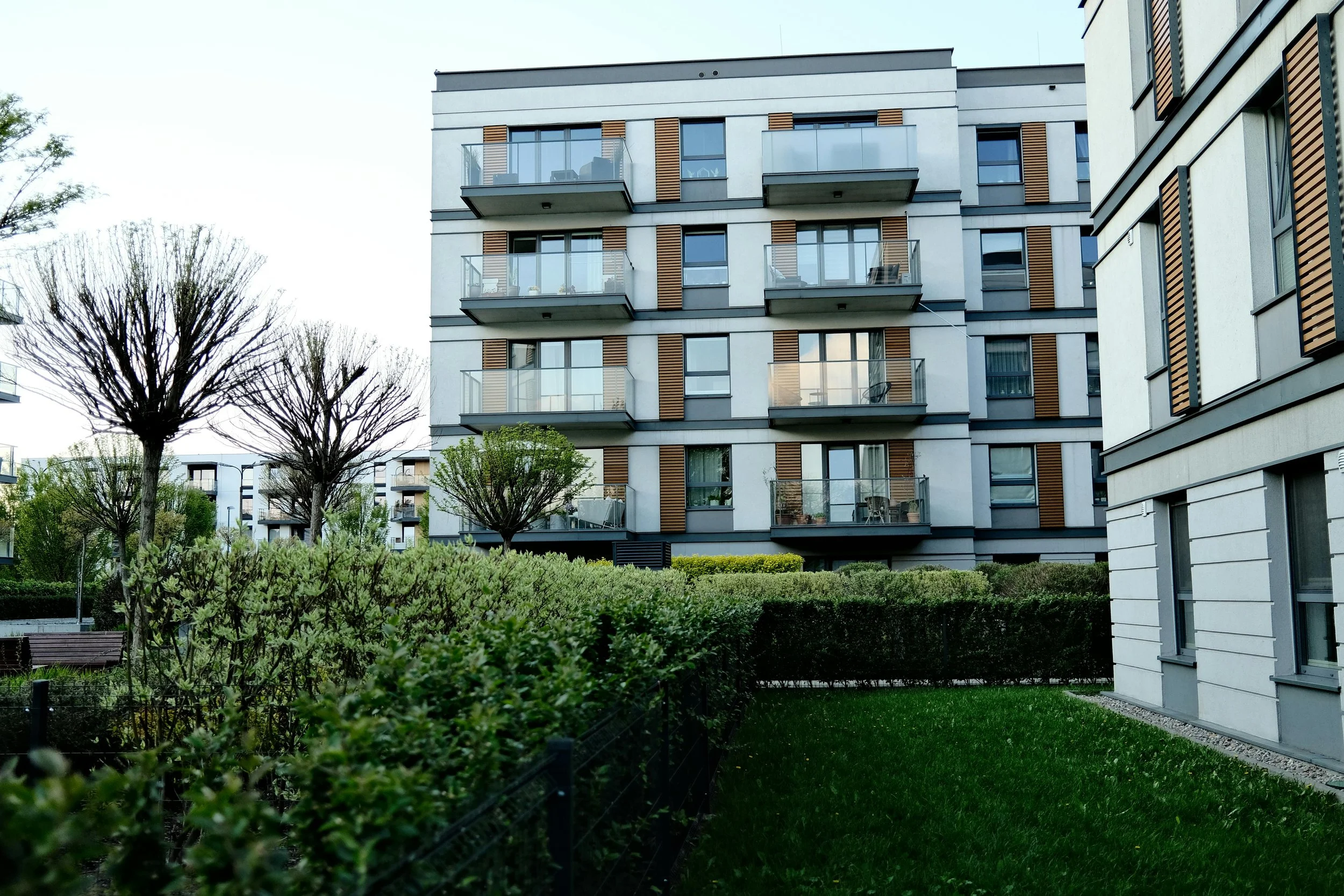
The buildings and infrastructure we create go beyond just providing shelter or moving people from place to place. They shape communities, determine life chances, and leave legacies that outlast the organisations that built them. Social value is how we account for all of it.
What do we mean by social value?
Social value is the broader impact of an activity on the wellbeing of individuals, communities, and society as a whole – the things that matter to people but rarely appear on any financial balance sheet. It encompasses employment opportunities created in local economies, skills transferred to residents, carbon avoided, health outcomes improved, and the dignity of a well-designed public space.
In the built environment space, social value is not an add-on or a marketing exercise. Social value when done well is embedded in every decision made about where to build, what to build, who to employ, and how to engage, suppliers, local businesses and community actors throughout the process. A road junction, a housing estate, a school, a hospital – each carries potential that extends far beyond its primary function.
Social Return on Investment (SROI)
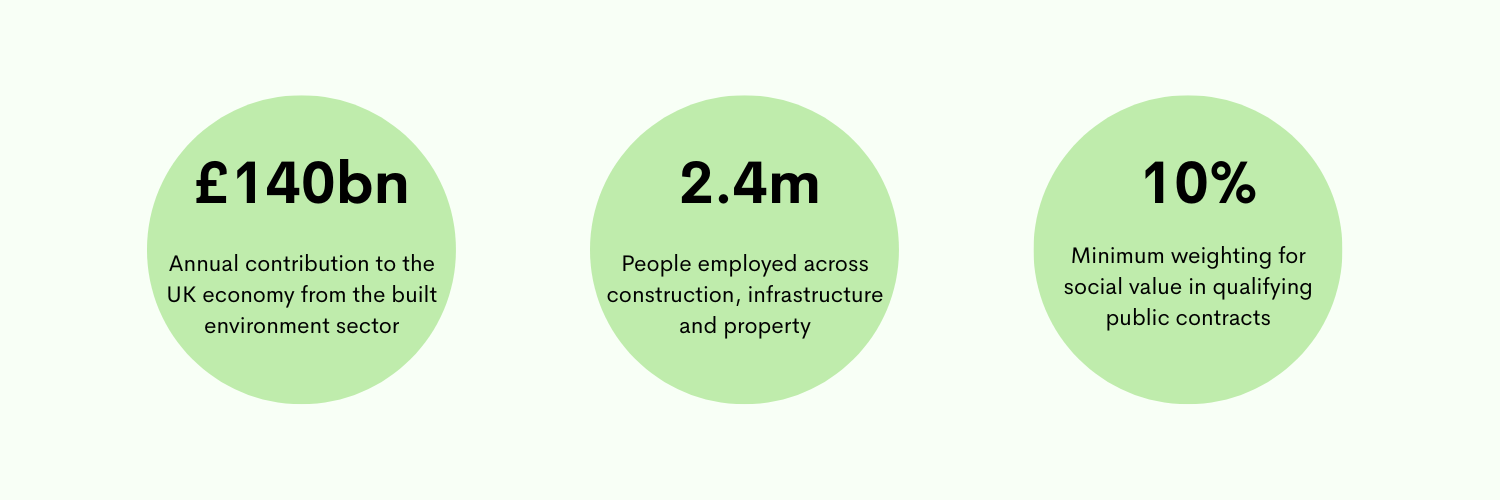
The concept has its roots in social return on investment methodology, but its application to public procurement and construction has accelerated dramatically over the past decade. Today, social value is not just a nice idea – it is an increasingly mandatory consideration for anyone seeking public contracts in the United Kingdom.
Why the built environment is uniquely positioned
Few sectors have the capacity to generate social value at the scale of construction, infrastructure, and property. The numbers are substantial: the built environment employs around 2.4 million people in the UK, contributing some £140 billion to the economy annually. But the social footprint extends well beyond direct employment.
Anchoring Communities
Construction projects anchor communities. A new school or leisure centre not only provides a building – it creates a hub around which neighbourhood life organises itself. New transport links do not merely reduce journey times – it connects people to employment, healthcare, and opportunity that were previously out of reach.
As well as providing a physical transformation, regeneration projects inject life into communities, improves access to housing and when local suppliers and local businesses are contracted to support in the building and development process, it creates local multiplier effects into these economies and communities.
The built environment sector also employs people at every skills level, making it one of the most powerful levers available for addressing economic inequality. In this way, apprenticeships, local supply chain commitments, supported employment pathways for people just entering the labour market or those with barriers to entering the labour market. Indeed, the opportunities the built environment make are are not simply peripheral activities, they are central to what it means to build responsibly.

At its core, the built environment is a driver of economic growth and social regeneration. When done well - when communities, supply chains, and wider stakeholders are genuinely considered - social value moves beyond intention and becomes measurable, lasting impact. A new infrastructure project is never just bricks and mortar. It is a foundation for opportunity: for local employment, for supply chain inclusion, for community resilience that outlasts the project itself.
The question for every organisation operating in this space is not whether social value matters. It is whether you are being deliberate enough about delivering it. How is your business maximising its social value?