
Packaging with Purpose: Sustainable Packaging Options for Businesses
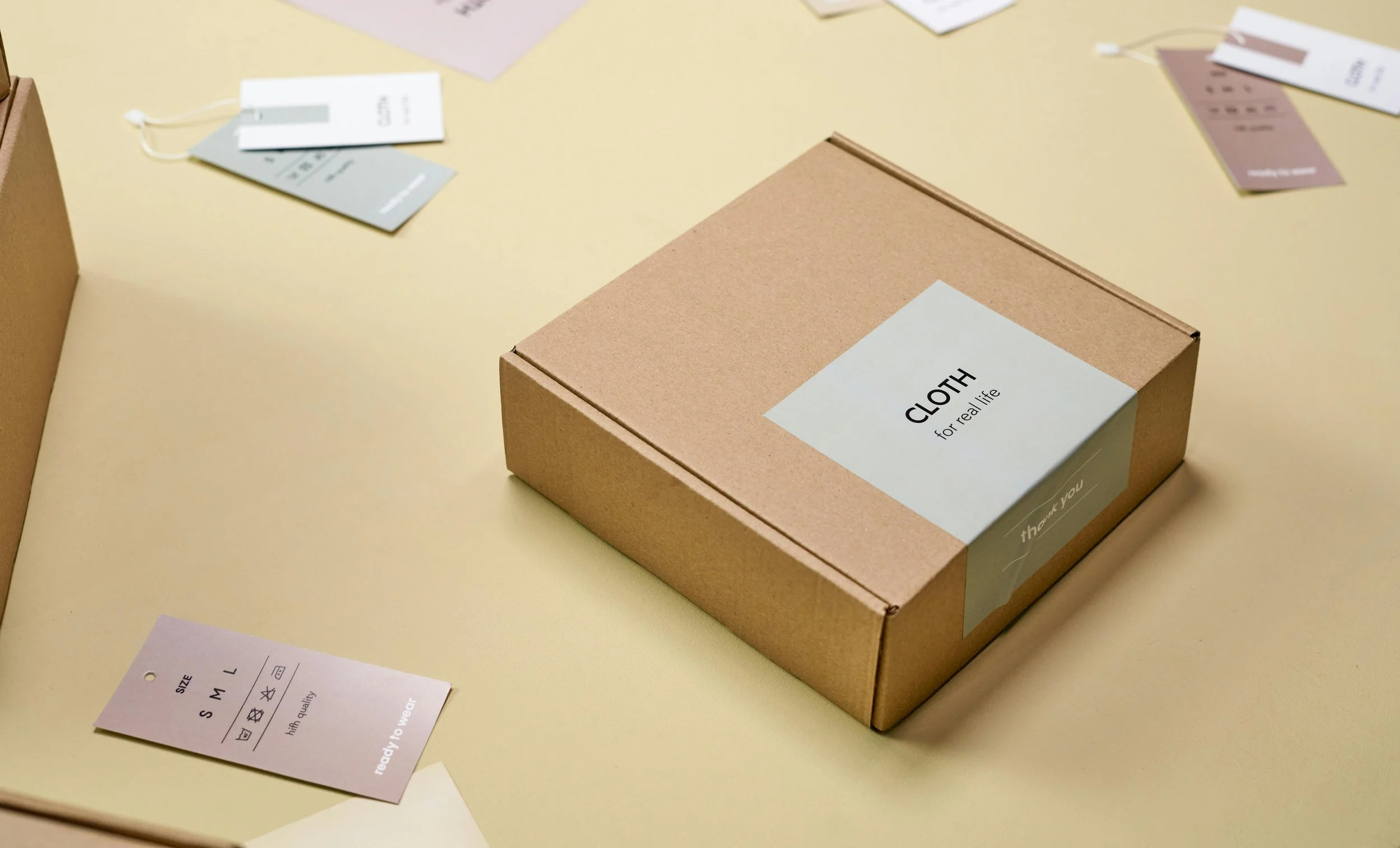
Packaging is often the first (and sometimes only) physical touchpoint customers have with a brand. It’s also one of the biggest sources of waste in supply chains. With consumer expectations evolving as well as changes to the regulatory landscape surrounding things including the likes of single use plastics companies need to perceive the opportunities with packaging usage. Organisations, now have an opportunity to rethink packaging as a driver of sustainability while also strengthening your brand image.
Below we outline some practical, scalable packaging options businesses can consider to reduce impact and build trust with their audiences.
1. Right-Sizing and Lightweighting
If you’ve ever received a small item in large and oversized box, you’ll know that over-packaging is still common – too much cardboard, excessive void fill, or unnecessary plastic wrapping. By adopting packaging custom-fitted to the product and light-weighting (reducing material weight without compromising protection), companies can lower material use, reduce shipping emissions and cut costs.
Quick win: If you’re a business with a physical product, a way of identifying this within your operations is through audit your shipping mix to identify SKUs that consistently leave excessive empty space and redesign around them.
2. Recycled and Recyclable Materials
Switching to high recycled-content paper, cardboard or ensures materials already in circulation are reused, keeping them out of landfill. Pairing this with clear labelling and educating customers on proper disposal maximises for your product packaging increases the likelihood of proper disposal and recycling.
Best practice: Ensure packaging is widely recyclable, not just technically recyclable – enquire with packaging suppliers on the recyclability of their packaging products.
3. Compostable and Plant-Based Solutions
According to Our World In Data, packaging is the source of 40% of the planet’s plastic waste. A Guardian report also identified that the UK’s 'lunch on the go' culture would generates approximately 11 billion items of packaging waste a year.
In this way, finding innovative ways that food takeaway services and food items to be sustainably packaged can make a significant impact.
Companies like Vegware specialise in certified compostable cups, cutlery, and containers made from plants, designed to be processed alongside food waste. This closes the loop and reduces non-recyclable waste compared to conventional plastic or mixed-material packaging.
Best practice: Before committing to large packing orders, ask for samples and check to see if they meet the practical as well as sustainable needs of your business.
4. Plastic-Free Innovations
Beyond simple swaps, innovators are tackling the trickiest elements of packaging –like greaseproof coatings and films. Seaweed-based materials from Notpla, for example, replace plastic barriers with fully compostable alternatives. For e-commerce, ASC Direct offers corrugated cardboard solutions and plastic-free void-fill options that make the sustainable choice accessible to SMEs.
Best practice: Substituting plastic where it’s functionally necessary, not just for optics, is key.
5. Reusable Packaging Models
Reusable packaging is becoming one of the most promising circular solutions, especially as brands look to reduce waste and strengthen customer loyalty. Models such as returnable crates, refillable pouches, durable containers, and rental-style packaging systems are gaining traction across retail, beauty, and food delivery. While these systems often require upfront investment in logistics, cleaning, and tracking infrastructure, the long-term benefits are significant.
Successful reusable models depend on thoughtful design: packaging must be durable, easy to clean, simple to return, and integrate seamlessly with customer habits. Digital tools – like QR codes, deposits, or smart tracking –are making these systems more efficient and scalable than ever.
6. Smarter Design for Circularity
Industry leaders like DS Smith, Smurfit Kappa, and other fibre-based innovators are demonstrating how circular design principles can transform entire packaging systems. This goes beyond simply choosing recyclable materials – it involves designing packaging that can be easily disassembled, separated, reused, or recycled within existing infrastructure. Their work highlights that true circularity requires systems thinking, integrating material innovation with supply-chain collaboration, customer education, as well as end-of-life planning.
Best practice: Don’t just ask “Is this recyclable?” – ask “Will this actually make it back into the circular system, and what design choices either help or prevent that?”
Concluding Thoughts
Today, the most impactful approach to sustainable packaging combines intelligent design, responsible material choices, and system-level thinking. The goal is packaging that not only protects the product and enhances the customer experience, but also significantly reduces environmental impact across its entire lifecycle.
The encouraging part? Businesses don’t need to overhaul everything at once. Small steps – like right-sizing boxes, reducing unnecessary layers, or switching to recycled or certified materials – can immediately reduce waste and emissions. At the same time, forward-thinking brands should stay engaged with emerging innovations such as compostable films, reusable models, fibre-based alternatives, and bio-based materials. When these elements come together, packaging becomes not just a container, but a strategic sustainability asset.
Next Step:
If your business is exploring sustainable packaging but unsure where to start, consider running a packaging audit. This can identify easy wins and long-term opportunities tailored to your supply chain and customer base.
